Accurate testing of proximity sensors ensures that smart systems respond correctly to objects, distance variations, and environmental changes. It reduces errors and enhances system dependability across multiple applications. Proper validation helps maintain consistency and supports real-time decision-making processes.
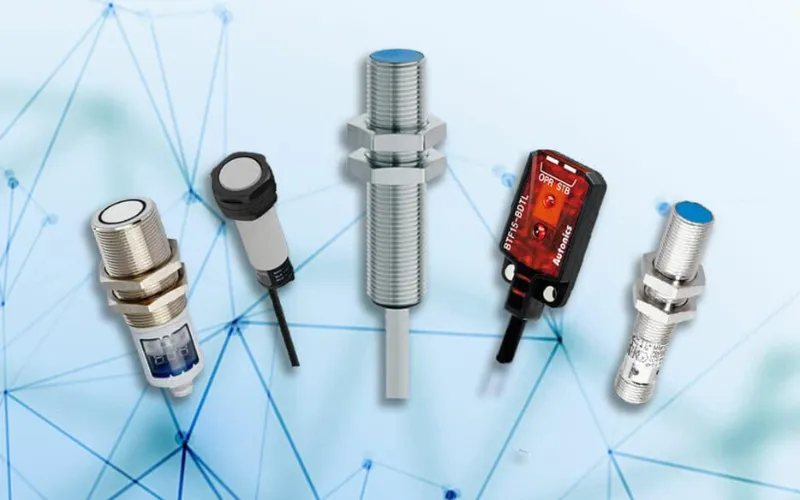
- Ensures precise distance detection in automated systems
- Improves object recognition accuracy
- Supports safe human-machine interaction
- Reduces false triggering in smart devices
- Enhances performance in variable lighting conditions
- Maintains stability in complex environments
- Increases efficiency of automated operations
- Strengthens reliability of real-time responses
- Enhances detection speed in automated environments
- Supports accurate object tracking capabilities
- Improves compatibility with smart infrastructure systems
- Strengthens operational consistency across devices
Key Advantages of Reliable Sensor Testing
Reliable sensor testing brings multiple performance advantages to smart systems by ensuring that detection mechanisms work with high precision and minimal deviation. It allows systems to adapt quickly to changes while maintaining operational accuracy.
- Enhances system responsiveness
- Improves energy efficiency
- Supports smooth automation workflows
- Reduces operational inconsistencies
- Strengthens predictive capabilities
- Boosts data accuracy in real-time monitoring
- Improves durability of smart components
- Enables seamless integration across devices
- Improves system scalability for future expansion
- Enhances accuracy in crowded environments
- Supports better fault detection mechanisms
- Increases reliability under high-speed conditions
Testing Methodologies for Proximity Sensors
Modern testing methodologies for proximity sensors focus on precision, repeatability, and adaptability. These approaches ensure sensors function effectively across different operational scenarios and environmental conditions.
- Simulation-based evaluation of sensor response
- Real-world condition testing for accuracy validation
- Multi-angle detection assessment techniques
- Signal consistency verification methods
- Environmental stress testing approaches
- Calibration and adjustment procedures
- Performance benchmarking under varied loads
- Continuous monitoring for long-term reliability
- Advanced calibration for precision tuning
- Adaptive sensing for changing environments
- High-resolution detection analysis techniques
- Improved noise reduction in signal processing
Benefits for Modern Smart Systems
Accurate proximity sensor testing significantly enhances the overall performance of modern smart systems by improving reliability, responsiveness, and operational safety. It enables devices to interact intelligently with their surroundings while minimizing errors. Technicians gain confidence after mastering how to test a proximity sensor through hands-on experiments and structured troubleshooting procedures regularly.
- Increases system intelligence and adaptability
- Reduces maintenance requirements
- Enhances automation accuracy across applications
- Improves safety in dynamic environments
- Strengthens communication between system components
- Supports scalable smart system design
- Optimizes real-time data processing
- Boosts overall user satisfaction
- Enhances predictive maintenance capabilities
- Supports intelligent decision-making systems
- Improves real-time response efficiency
- Strengthens overall system stability
Conclusion
Accurate proximity sensor testing is a foundational element in the development of efficient and intelligent smart systems. It ensures consistent performance, strengthens system dependability, and supports advanced automation capabilities across diverse environments. By ensuring accurate performance validation, smart systems can achieve higher efficiency, better responsiveness, and improved adaptability in complex operational scenarios, making them more reliable and future-ready across diverse applications.